
Portrait of Dudley E. Waters, 1930 by Mathias Alten
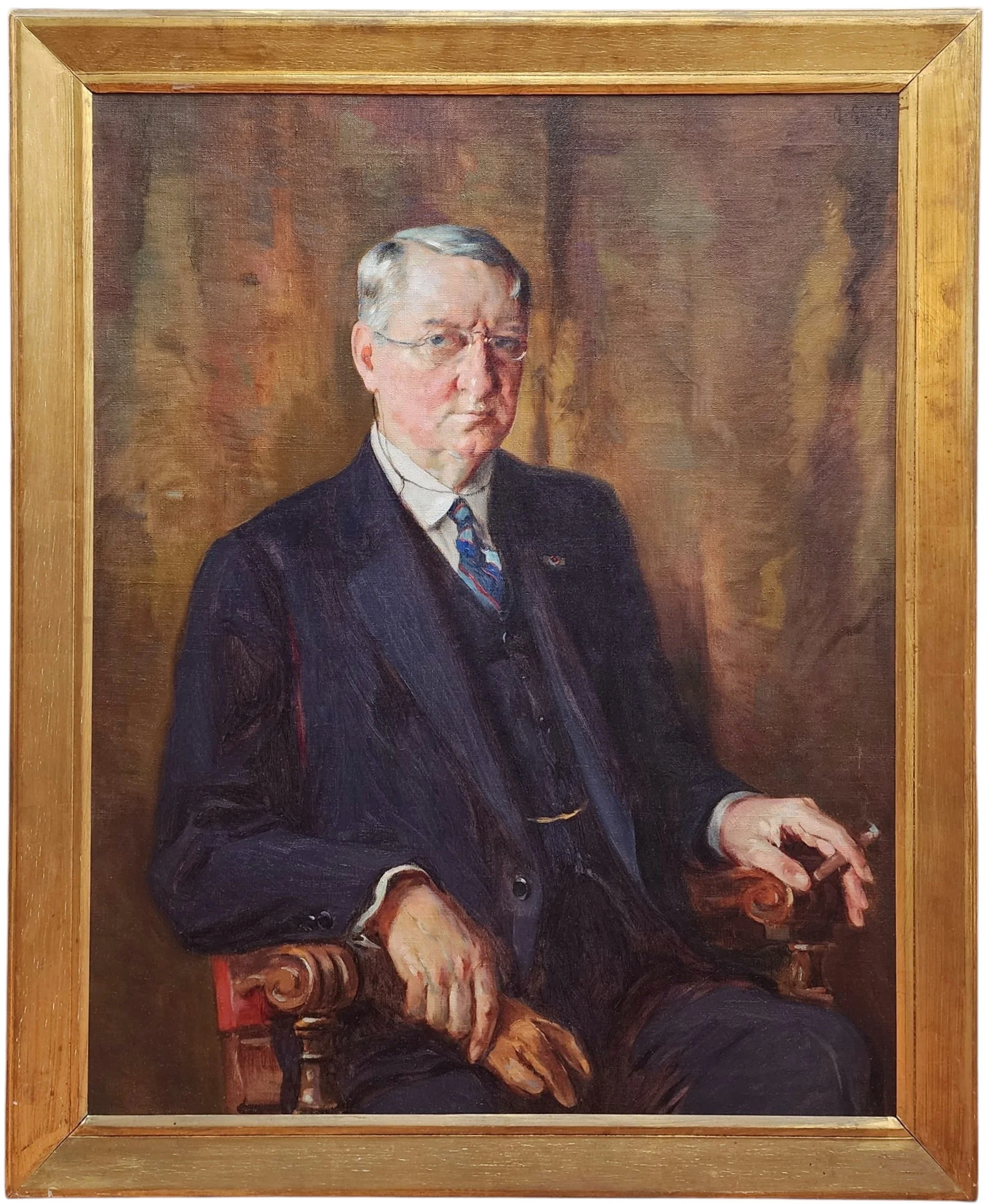
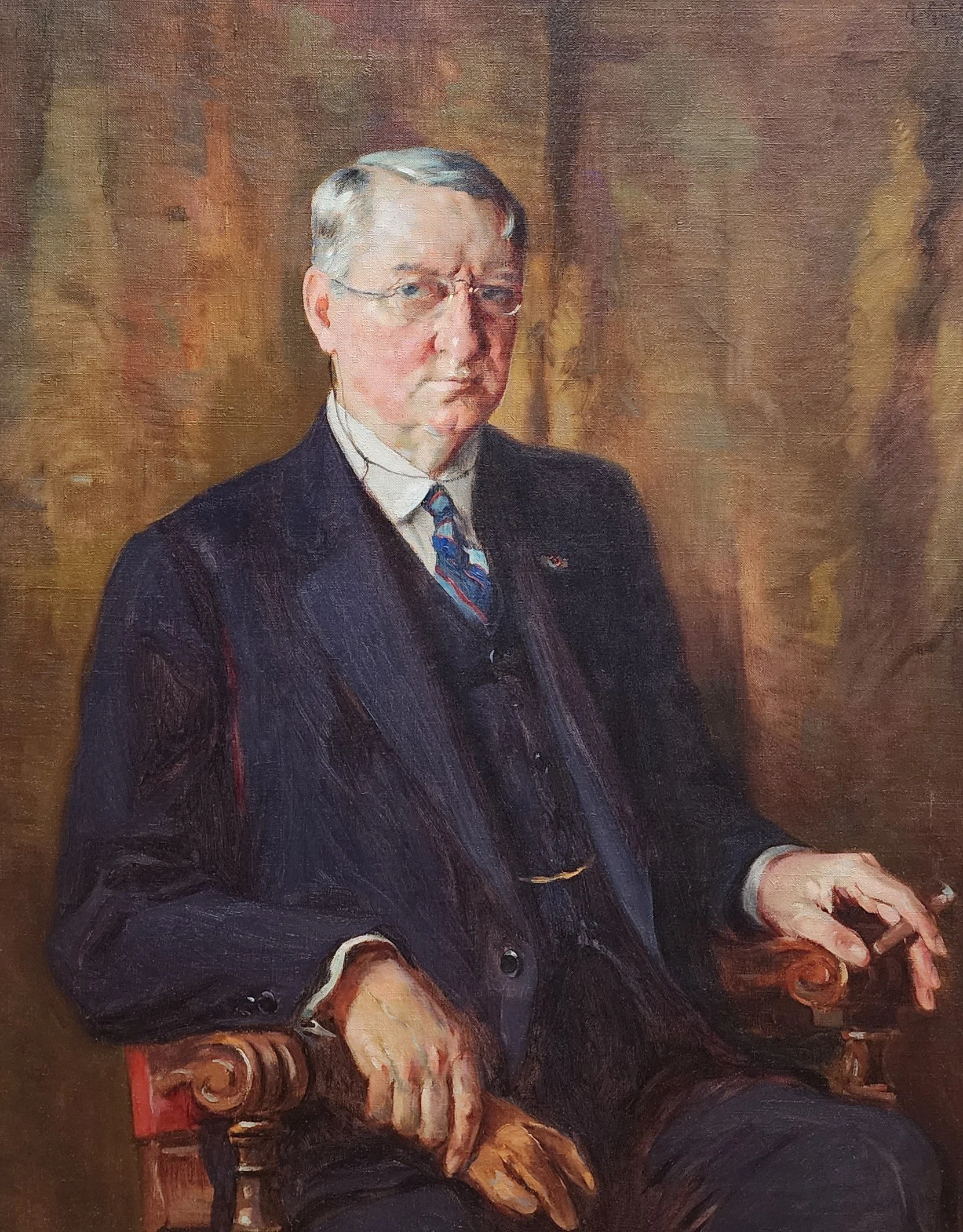
Portrait of Dudley E. Waters, 1930 by Mathias Alten
Mathias Alten (German/American 1871-1938)
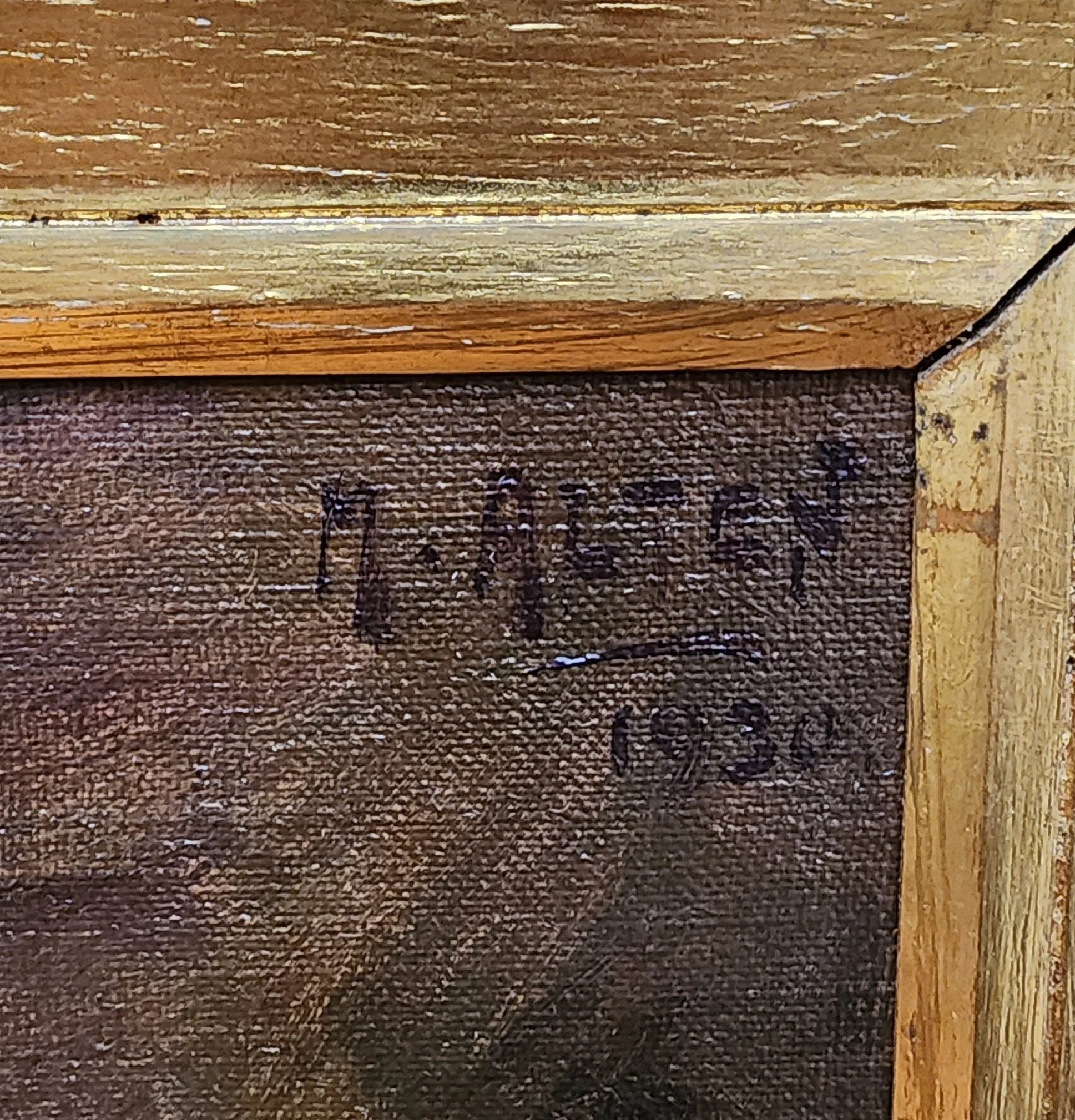
Signed: M. Alten 1930 (Upper, Right)
" Portrait of Dudley E. Waters ", 1930
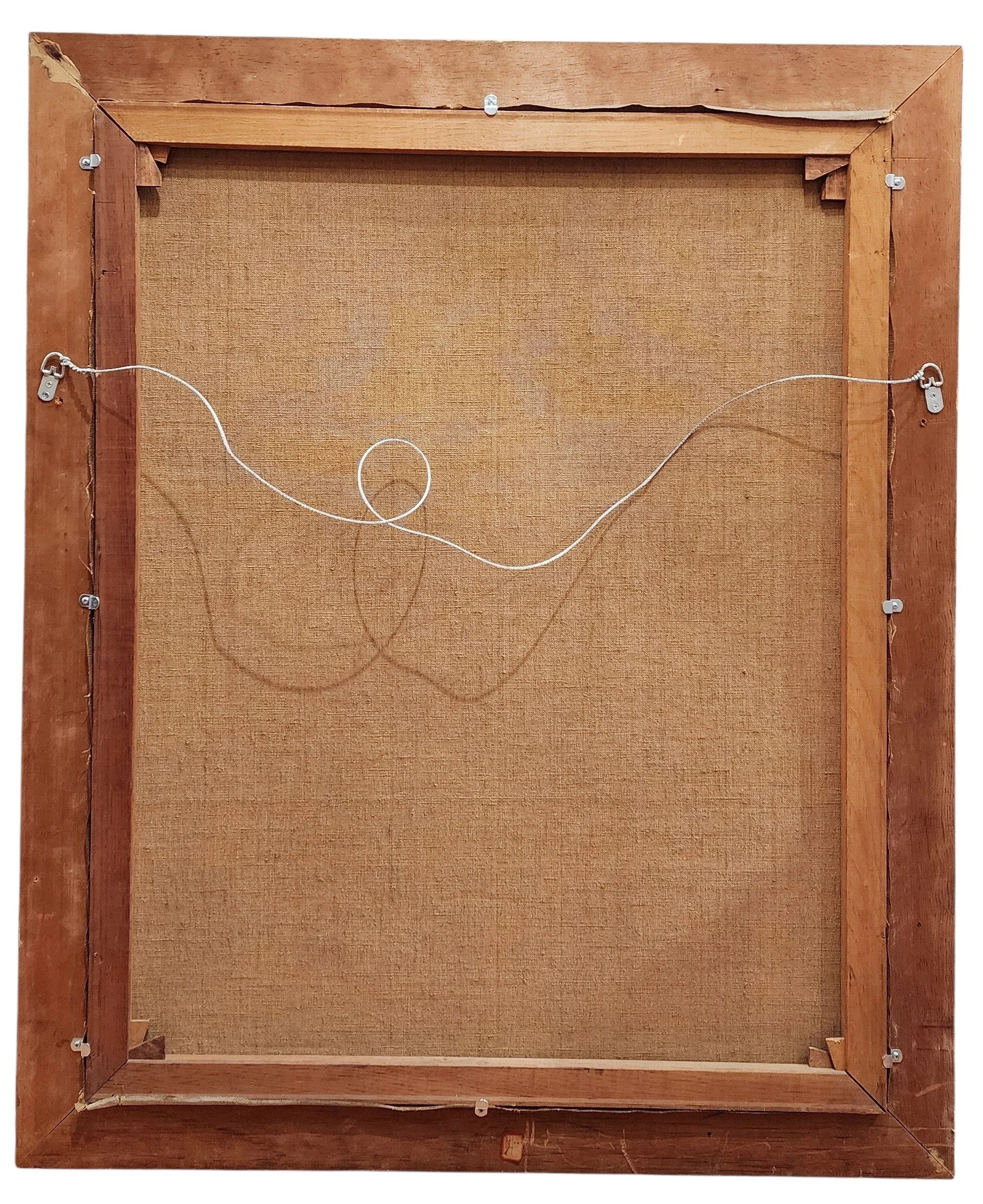
Oil on Canvas
40" x 32"
Housed in a 3" Carved Frame in Gold
Overall Size: 46" x 38"
This painting is included in the Mathias J. Alten Catalogue Raisonne.
Dudley E. Waters (1863–1931) was a prominent Grand Rapids, Michigan, industrialist, banker, and real estate developer active in the late 19th and early 20th centuries. He founded the Michigan Barrel Company, built the Waters Building (now Waters Center) in 1899, and served as a director for the Grand Rapids National Bank and Michigan Trust Company.
Key details about Dudley E. Waters:
He was a major figure in the local lumber industry and a significant real estate broker. He was a key partner in building the Waters Building, a central hub for the city's furniture industry. He helped organize and incorporate the Grand Rapids National Bank and the Michigan Trust Company, serving on their boards. In 1907, he and his wife, Florence Hills Waters, donated land for what became the Mary Waters Field (or Playground) in memory of their daughter. He lived in a notable Georgian Revival mansion located at 500 Fulton Street E in the Heritage Hill neighborhood. He owned a 600-acre dairy farm near Grand Rapids, where he bred prize-winning Holstein cattle.
About the artist:
German-born American artist Mathias Joseph Alten (1871-1938) immigrated to the United States in 1889 at the age of seventeen. His family settled in Grand Rapids, Michigan, a premier furniture-manufacturing center and desirable location for immigrants in the late-nineteenth century. Here, amidst a rapidly changing world, Alten went on to establish a family, home, and studio for the entirety of his career.
Like many American painters of the period, Alten was drawn to the major artistic and cultural centers of Europe and the United States. Beginning in 1898 and continuing over the next four decades, he traveled extensively to pursue artistic training, exhibit his work, and engage with fellow artists. In spite of his attraction to foreign communities, Alten chose to keep his professional home in the same city and state that welcomed his family during the late nineteenth-century. As a result, his work was influenced by the landscapes and techniques he discovered abroad, but also remained deeply connected to the rural Michigan landscape widely featured in his paintings.
Over his career, Alten created more than 3,000 works of art initially influenced by the Barbizon and Hague Schools and later by the Impressionism movement. He repeatedly sought out and celebrated traditional laborers and nostalgic settings even as modernization transformed life in the early twentieth-century.